Why do people gamble? Unpacking the allure of casinos
The Psychology Behind Gambling
The psychological factors driving individuals to gamble are profound and can vary widely from person to person. At the core, many find excitement in taking risks, leading to an adrenaline rush that can be intoxicating. This thrill encourages gamblers to engage in high-stakes activities, making them feel alive and focused. The anticipation of winning amplifies these feelings, creating a cycle of excitement that is hard to break. For some, exploring options like 1win can enhance this thrill-seeking behavior as a fundamental aspect of their personality, pushing them toward gambling as a primary source of enjoyment.
Moreover, the psychological concept of reinforcement plays a significant role in gambling behavior. When individuals experience a win, especially after a series of losses, the brain releases dopamine, a chemical associated with pleasure. This reward system reinforces the action of gambling, making it more appealing irrespective of the financial implications. Consequently, even modest wins can keep players going, as they chase the euphoric feeling that accompanies victory. Such reinforcement creates a cycle where the act of gambling becomes increasingly attractive, regardless of its risks.
Additionally, social influences cannot be underestimated. Many individuals are introduced to gambling through friends or family, fostering a communal bond over shared experiences. This social aspect often normalizes gambling, making it a commonplace activity during social gatherings. As players exchange stories of wins and losses, they cultivate a sense of belonging and shared excitement, further enhancing the allure of casinos. Over time, the social acceptance of gambling can significantly affect a person’s propensity to engage in these activities, reinforcing their commitment to the gambling lifestyle.
The Role of Environment and Atmosphere
The environment of a casino plays a crucial role in attracting and retaining patrons. Carefully designed to stimulate the senses, casinos often feature vibrant lights, engaging sounds, and enticing décor. This sensory overload creates an immersive experience, pulling gamblers into a world where time seems irrelevant. The sights and sounds associated with spinning reels or rolling dice evoke feelings of excitement and anticipation, further enhancing the gambling experience. Such carefully curated atmospheres are essential in keeping gamblers engaged, often making it challenging for them to leave.
Moreover, the layout of casinos is strategically organized to maximize player engagement. Gaming machines and tables are situated closely together, encouraging interaction and flow among players. This design invites a sense of competition and camaraderie, which can enhance the thrill of gambling. Additionally, the absence of clocks and windows creates a disorienting effect, leading gamblers to lose track of time. This environment not only encourages longer play sessions but also fosters an environment where players feel compelled to continue gambling, often disregarding their original intentions.
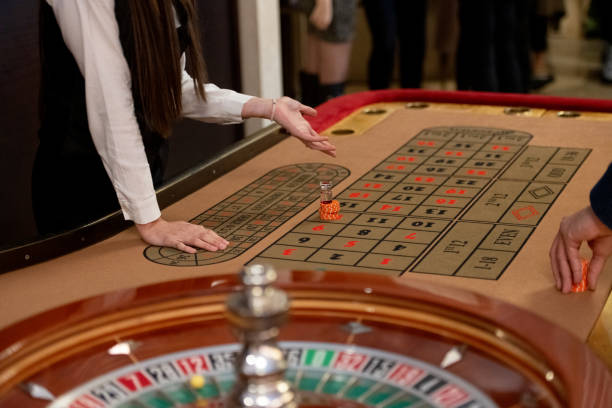
Complementing the atmosphere is the provision of complimentary amenities, such as drinks and food, which further entices patrons to stay longer. By catering to the needs of players, casinos create a comfortable environment that enhances the overall experience. Many establishments offer loyalty programs that reward continued play with free services or bonuses, reinforcing the desire to gamble. This combination of sensory stimulation and thoughtful customer service contributes significantly to the persistent allure of casinos, making them irresistible to many.
The Influence of Culture and Social Norms
Cultural factors and social norms significantly influence why people gamble. In many societies, gambling is interwoven into social rituals and festivities, celebrated as a legitimate form of entertainment. Events such as poker nights or betting on sports can foster community bonds, making gambling a shared experience. The cultural acceptance of gambling can normalize risky behaviors, enticing individuals to partake in activities that might otherwise be viewed as taboo. This social context can amplify the appeal of casinos as entertainment venues rather than merely gambling establishments.
Moreover, the accessibility of gambling options today is unprecedented, with numerous online platforms allowing individuals to engage from the comfort of their homes. This shift reflects changing social norms where traditional boundaries of gambling have relaxed. The rise of mobile betting applications has made it easier than ever for people to place bets on sporting events or participate in games of chance, appealing to a broader audience. As gambling becomes more integrated into daily life, its allure continues to grow, particularly among younger populations looking for diverse entertainment options.
In some cultures, gambling is steeped in a rich history of chance and fortune, often portrayed in media and folklore as a vehicle for achieving success. This romanticized view of gambling can create unrealistic expectations and a desire to attain similar outcomes. The portrayal of winners in films and television fosters a belief that gambling can lead to dramatic life changes, compelling individuals to try their luck. This cultural narrative can further entrench gambling in societal norms, driving individuals toward casinos in search of the thrill of potential success.
The Consequences of Gambling
While the allure of casinos can be strong, it is crucial to acknowledge the potential consequences of gambling. For some individuals, what starts as a fun activity can escalate into harmful behavior. The thrill of wagering can lead to compulsive gambling, significantly impacting personal relationships and financial stability. Individuals may chase losses, convinced that a win is just around the corner, leading to a cycle of debt and despair. Understanding these consequences is vital for both individuals and society, as awareness can help mitigate the negative impact of gambling.

Furthermore, the emotional toll associated with gambling can be profound. Gamblers often experience feelings of guilt, anxiety, and shame, particularly when their gambling habits affect loved ones. This emotional burden can lead to isolation and further compulsive behaviors, exacerbating issues of mental health. The stigma surrounding gambling addiction often prevents individuals from seeking help, leaving them trapped in a cycle of despair. Addressing these consequences requires not only personal responsibility but also societal support systems that provide educational resources and counseling for those affected.
Despite the awareness of such consequences, the gambling industry continues to thrive. This is largely due to the marketing efforts and constant innovation that keep the experience fresh and engaging. Casinos are aware of their potential risks and have begun implementing responsible gambling measures, yet the challenge remains significant. A balanced approach that emphasizes both the entertainment value of gambling and the need for awareness is essential in helping individuals navigate the complexities of the casino environment safely.
Exploring Our Website for Insights
Our website aims to provide comprehensive insights into the world of gambling and the allure of casinos, offering readers an in-depth understanding of this fascinating topic. We delve into the psychological, social, and cultural aspects that drive individuals toward gambling, ensuring our content is rich with the latest research and findings. By engaging with our articles, readers can gain valuable knowledge that enables them to make informed decisions regarding gambling activities.
Additionally, we strive to create a safe space for discussion around gambling-related issues. Understanding the potential risks and consequences is key to promoting responsible gambling. Our articles include resources for those seeking help and advice, reinforcing the fact that awareness is the first step toward safe gambling practices. We believe that education is vital in mitigating risks while enjoying the entertainment value that casinos have to offer.
Engaging with our content not only provides valuable insights but also helps to foster a community around gambling awareness. By sharing experiences and knowledge, we hope to bridge the gap between enjoyment and safety in the gambling landscape. Join us as we explore the multifaceted world of casinos and gambling, ensuring that readers are well-equipped to navigate their journeys responsibly and enjoyably.
